Beginner Strength Workout: A Two-Day Full-Body Plan
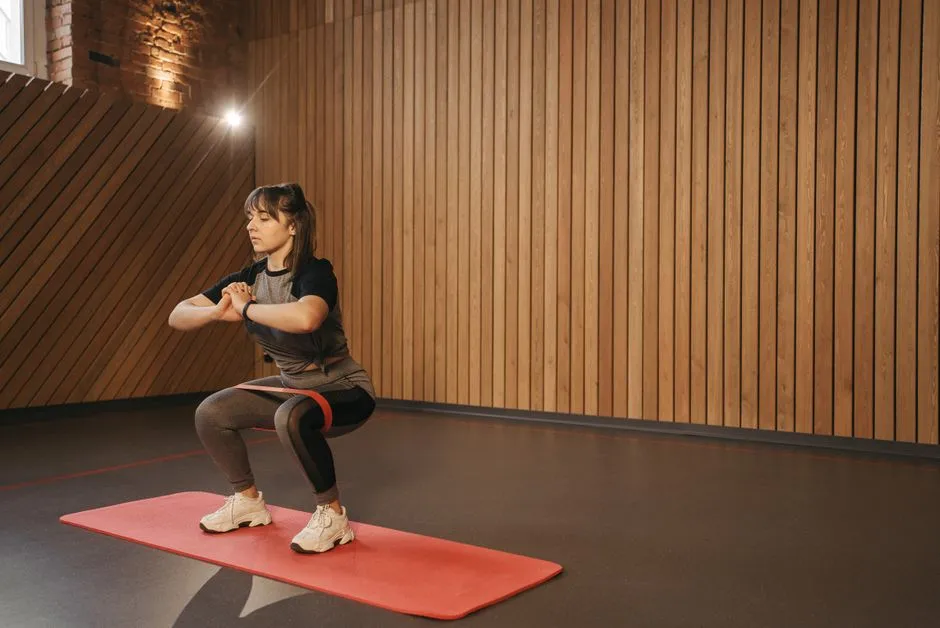
Two full-body days are enough to begin
A beginner strength plan can use two nonconsecutive full-body sessions each week. Each day trains a squat or single-leg pattern, a push, a pull, a hip-dominant movement, and trunk or carry work. Start with one work set in week one, move to two only when recovery is comfortable, and stop each set with 2–3 technically sound repetitions still available.
Current CDC guidance recommends adults perform muscle-strengthening activity for all major muscle groups on at least two days each week. Its adult activity overview also recommends aerobic movement, but this plan addresses only the strength portion.
It promises practice, not a transformation deadline. The first month’s most valuable achievement is becoming the person who knows where the row handle lives and returns on Thursday.
Check whether this general plan fits
This plan is for generally healthy adults new or returning to resistance training. Seek medical or physiotherapy guidance before starting if you are pregnant, recently postpartum, returning after surgery or long inactivity, managing a chronic condition, taking medication that affects exercise, or dealing with pain, dizziness, balance problems, fainting, or previous injury.
Stop exercise and seek appropriate care for chest pain, faintness, sudden weakness, severe or unusual breathlessness, acute or worsening pain, or other alarming symptoms. Do not use an exercise substitution to diagnose a symptom.
Train in a clear area with stable footwear and inspected equipment. Ask a qualified coach for in-person setup help when a machine, rack, cable, or free-weight movement is unfamiliar. Watching one confident stranger from behind a water fountain is not onboarding.
The weekly schedule
Use at least one day between sessions:
| Day | Plan |
|---|---|
| Monday | Workout A |
| Tuesday | Easy walking or ordinary activity |
| Wednesday | Rest or aerobic activity |
| Thursday | Workout B |
| Friday–Sunday | Recovery and other activity as appropriate |
The days can move. Tuesday and Saturday work just as well. Avoid stacking both sessions on consecutive days initially, and do not “make up” a missed week by completing four workouts next weekend.
Before each session, follow the 10-minute strength warm-up: easy whole-body movement, dynamic pattern rehearsal, and specific ramp-up sets.
Workout A
| Exercise | Beginner option | Work | Rest |
|---|---|---|---|
| Squat | Goblet squat to box or leg press | 1–2 × 6–10 | 90–120 sec |
| Horizontal push | Incline push-up or machine chest press | 1–2 × 6–10 | 90–120 sec |
| Horizontal pull | Chest-supported dumbbell row or seated cable row | 1–2 × 8–12 | 60–120 sec |
| Hip hinge | Dumbbell Romanian deadlift | 1–2 × 8–10 | 90–120 sec |
| Carry | Farmer carry | 2 × 20–30 sec | 60–90 sec |
| Trunk control | Dead bug | 1–2 × 5–8 per side | 45–60 sec |
These are work sets; light rehearsal sets come first where needed. Select one option per row. Do not perform both because the table had the audacity to mention them.
Squat
For a goblet squat, hold one dumbbell close to the chest, stand with a comfortable stance, and sit between the hips toward a stable box. Keep the whole foot in contact with the floor and knees tracking comfortably with the toes. Descend only as far as you can control without pain or loss of balance, then stand.
A leg press can be easier to stabilise, but machine setup differs. Adjust the seat and range using the manufacturer’s instructions and qualified help. Do not let the platform force the pelvis to roll or knees into a painful depth.
Horizontal push
For an incline push-up, use a stable rack bar or fixed surface that cannot slide. Keep the body in one line, lower the chest toward the support, and press away without shrugging.
For a chest-press machine, align handles and seat according to the machine instructions, keep shoulder position comfortable, and avoid forcing the elbows far behind the torso. Choose the pain-free option; neither is morally superior.
Horizontal pull
Support the chest on an inclined bench for dumbbell rows or sit tall at a cable row. Pull elbows toward the sides while keeping the neck relaxed and ribs controlled. Pause briefly, then return without letting the weight yank the shoulder forward.
Do not lean back and turn the row into a commemorative boat race.
Hip hinge
Hold light dumbbells at the thighs. Soften the knees, push hips backward, and let the weights travel close to the legs. Stop when the hamstrings limit the range or the back position begins to change, then stand by driving the floor away and bringing hips through without leaning backward.
A hinge is not a contest to touch dumbbells to the ground. Range belongs to your control and proportions.
Carry and dead bug
For the carry, hold manageable dumbbells at the sides, stand tall, and walk slowly through a clear lane. Put weights down under control before grip fails.
For a dead bug, lie on the back with hips and knees comfortably bent. Brace without forcefully flattening or arching, then lower one heel or opposite arm and leg only as far as the trunk stays still. Short range is a legitimate rep.
Workout B
| Exercise | Beginner option | Work | Rest |
|---|---|---|---|
| Single-leg squat | Supported split squat | 1–2 × 6–8 per side | 90–120 sec |
| Vertical or angled push | One-arm landmine press or high-incline dumbbell press | 1–2 × 6–10 | 90–120 sec |
| Vertical pull | Lat pulldown or high-anchored band pulldown | 1–2 × 8–12 | 60–120 sec |
| Hip extension | Glute bridge | 1–2 × 8–12 | 60–90 sec |
| Horizontal pull | Supported one-arm row | 1–2 × 8–12 per side | 60–120 sec |
| Side trunk | Side plank from knees | 1–2 × 10–20 sec per side | 45–60 sec |
Supported split squat
Stand in a staggered stance beside a stable support. Lower straight down through a comfortable range while both feet remain planted and the front knee tracks naturally. Use the support for balance, not to haul yourself upward.
Shorten the stance or range when control fails. Stop for knee, hip, or back pain and seek assessment if symptoms persist.
Angled push
A landmine press follows an angled path and may feel more accessible than a strict overhead press. Use only a secure landmine attachment and follow equipment instructions; never wedge a bar into an improvised corner.
For a high-incline dumbbell press, use a stable bench and begin with light weights. Keep wrists stacked and lower only through a comfortable shoulder range.
Pulldown and row
At a lat pulldown, pull the bar toward the upper chest without swinging or drawing it behind the neck. A band pulldown requires a rated, secure high anchor and an inspected band; keep the face outside the recoil path.
Support one hand and knee or one hand and staggered stance for the one-arm row. Keep the torso steady and use a range the shoulder controls.
Bridge and side plank
For a glute bridge, lie with feet planted, gently brace, and lift hips until the body forms a comfortable line from shoulder to knee. Stop before the lower back arches to chase height.
For a knee-supported side plank, place the elbow under the shoulder, bend the knees, and lift the hips. End while alignment remains steady; shaking is information, not a command to negotiate another minute.
Pick a starting resistance
Use a load that allows the bottom of the rep range with 2–3 good reps in reserve. An eight-rep set at RIR 3 means you estimate you could complete about three more reps with the same technique.
That estimate improves with practice. On day one, choose lighter than expected. A set is too heavy when range shortens, speed collapses, position changes, breath cannot be managed, or you need momentum not specified by the movement.
Do not test a one-repetition maximum. The programme needs a useful starting load, not a ceremonial encounter with every plate.
Four-week on-ramp
Week 1: one work set
Perform one set per exercise except the two carries. Learn setup, record loads, and finish fresh. Soreness is not a score.
Week 2: repeat or add a set
If week one caused only mild, resolving soreness and normal daily function, add a second set to the first four movements. Keep trunk work at one set if needed.
Week 3: add repetitions
Maintain resistance and add one rep to selected sets while staying inside the range and preserving 2–3 RIR.
Week 4: consolidate
Repeat the improved work. If every set reaches the top of its range cleanly in two sessions, add the smallest practical resistance next time and return toward the lower rep target. Progressive overload for beginners explains this double-progression method.
No week requires an increase. Illness, poor sleep, unusual stress, or lingering soreness are reasons to hold or reduce work.
Keep a six-column log
Record:
| Date | Exercise | Setup | Load | Reps | RIR and notes |
|---|---|---|---|---|---|
| Example | Goblet squat to box | Box notch 4 | 8 kg | 8 | RIR 3, stable |
For bands, record brand, colour, anchor, and foot position because colour is not standard. For machines, record seat, pad, and handle settings. “Same machine, probably” is not enough after someone adjusts every lever.
Recovery without supplement theatre
Allow at least one recovery day between sessions initially. Sleep, ordinary balanced meals, hydration, and a programme you can repeat matter. This site does not prescribe or sell supplements.
Mild muscle soreness can occur after unfamiliar training. Pain that is sharp, severe, worsening, associated with swelling or weakness, or not resolving deserves caution and professional assessment. Never treat numbness, joint instability, or chest symptoms as motivational content.
The resistance-band full-body plan is an equipment-light alternative, not extra homework. Choose one primary two-day plan. Consistency beats collecting routines like browser tabs.
After four weeks, repeat the plan, make one justified progression at a time, or seek qualified coaching to personalise it. The goal is not to finish beginner training. It is to become better at training without needing a recovery documentary.